Hessian Cloth for Construction Curing: Specs & Uses
Fresh concrete that dries too fast cracks and loses strength. Wet hessian cloth — burlap — laid over the surface is the oldest, simplest cure: it holds moisture against the concrete while it sets. Here is how it works and what to specify.
Concrete gains strength through hydration, a chemical reaction that needs water. If a slab, column or beam dries out in the first days — under sun, wind or heat — the surface stops hydrating: it dusts, crazes and cracks, and never reaches its design strength. Curing means keeping the surface moist while that reaction runs.
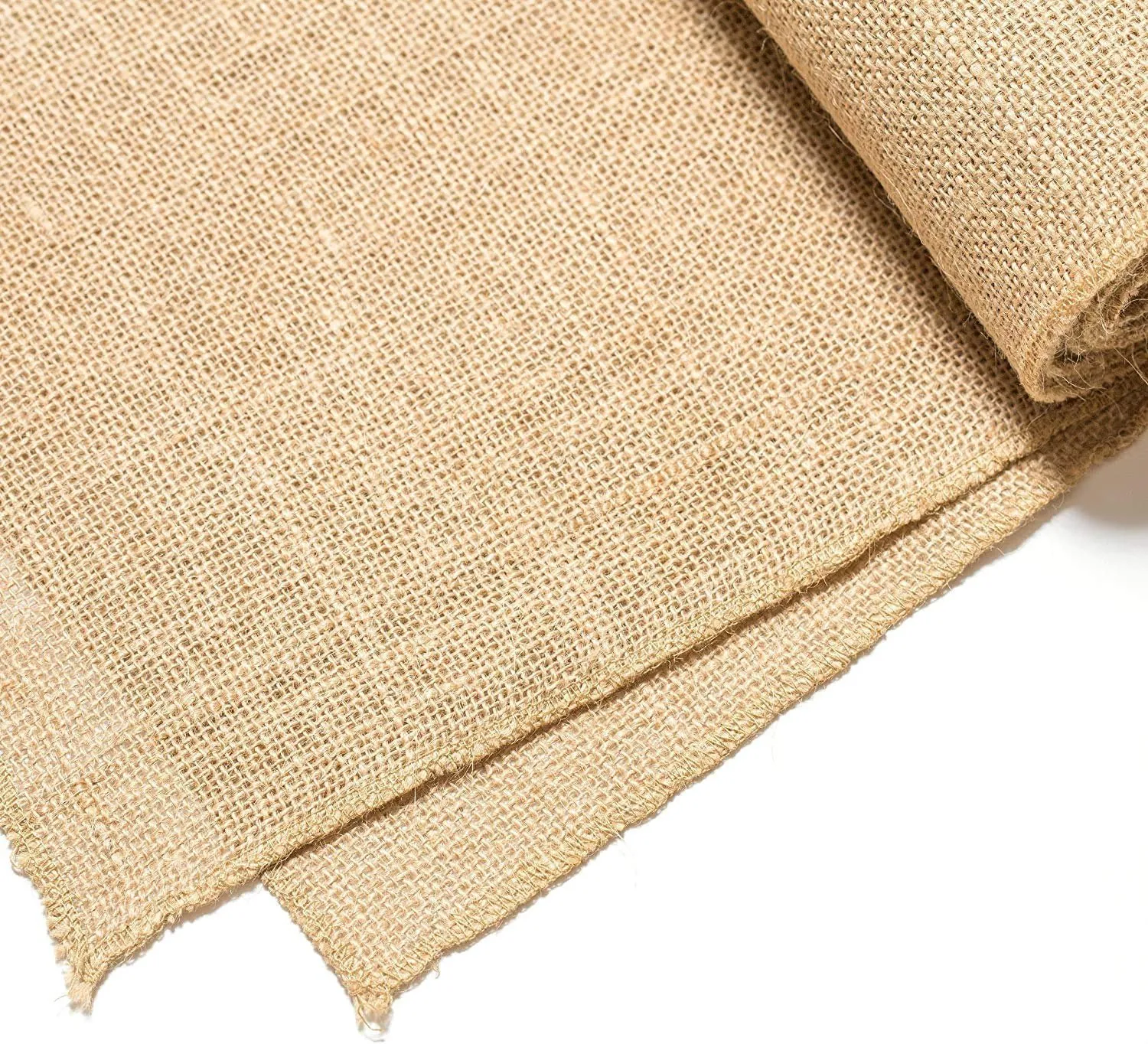
Hessian cloth is made for the job. The open plain weave of natural jute absorbs and holds water, drapes closely over flat slabs and wraps around columns and beams, and releases moisture slowly against the concrete surface. Site crews soak the cloth, lay or wrap it over the fresh concrete, and re-wet it as it dries. It is cheap, reusable across pours, and — being natural jute — biodegradable when it finally wears out.
How it is used on site
Slabs and pavements: cloth is unrolled over the surface, overlapped at the joins, and kept wet.
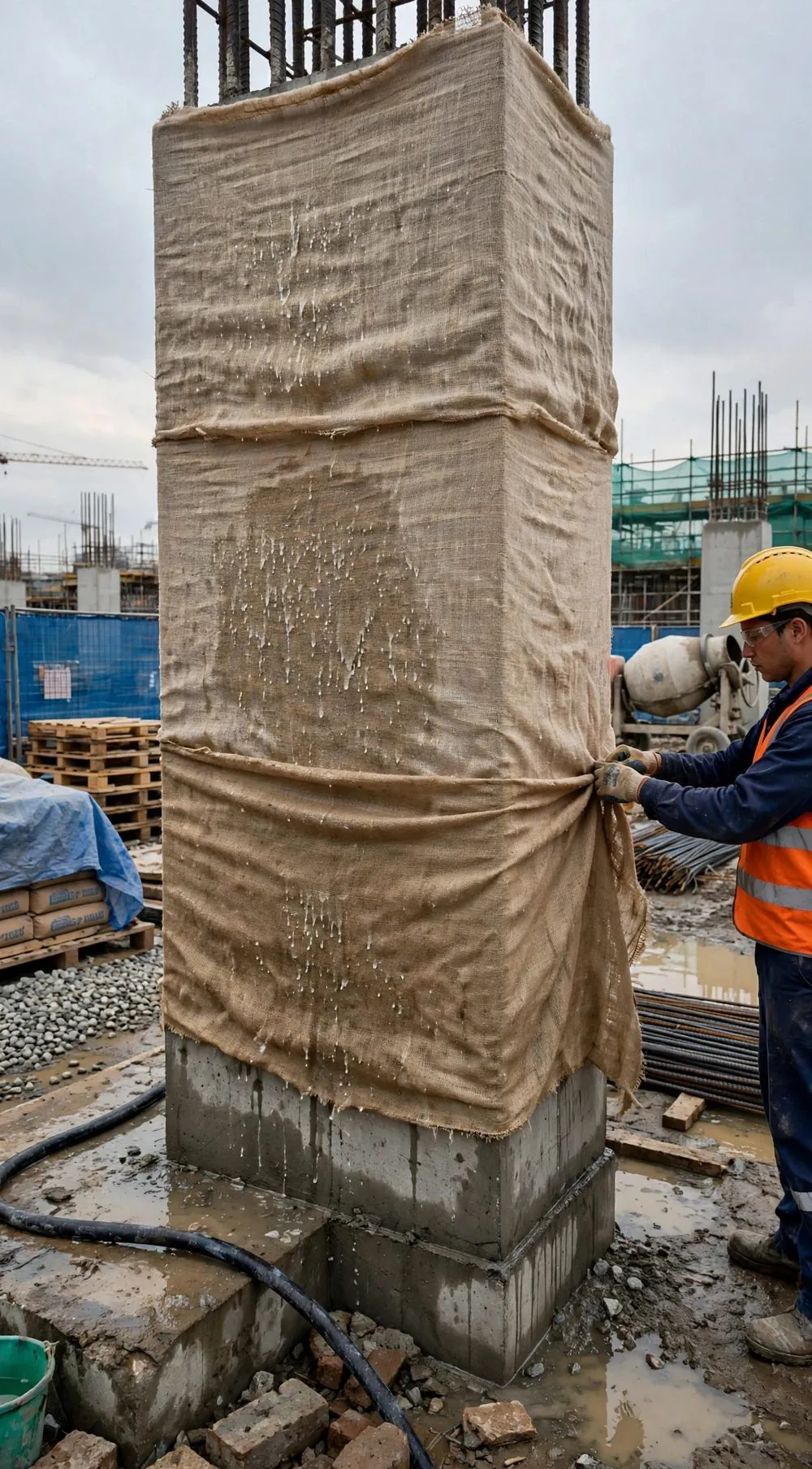
Columns and beams: cloth is wrapped around the member and tied, then soaked — as in the photo above.
Hot and windy weather: the cloth also shades the surface and slows evaporation between wettings, which is when curing matters most.
The specification we export
Weights
7 oz to 14 oz per sq. yard (typical range)
Widths
40 inch to 80 inch (other widths on order)
Weave
Plain weave, standard porter & shot constructions
Finish
Natural; dyed / laminated / fire-retardant on request
Packing
Rolls or compressed bales
Typical uses
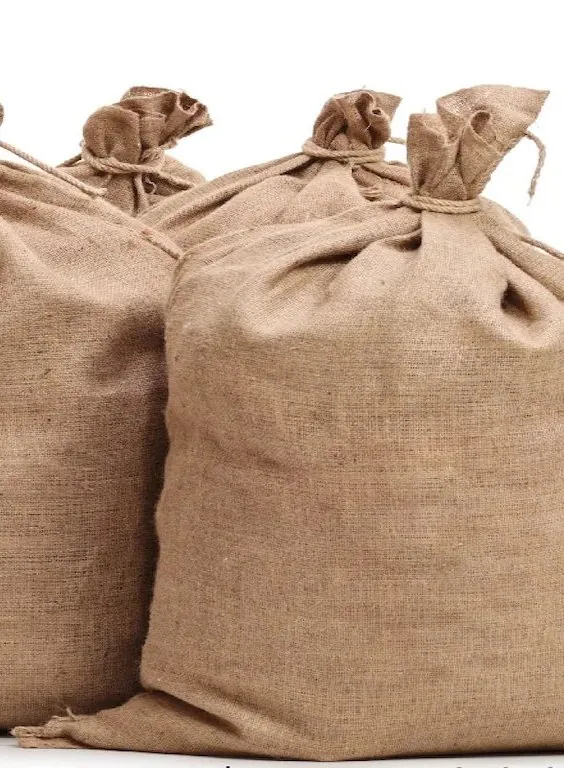
Bag making, bale wrapping, upholstery, geo-textiles, craft & décor
The typical export ranges published on our Hessian Cloth product page. Your confirmed specification, packing and price are stated in our written quotation.
Choosing weight and width for curing work
Weight: within the 7 oz to 14 oz range, a heavier cloth holds more water per square yard and survives more re-use — the usual pick for curing contracts. Lighter cloth suits short runs and one-off pours.
Width: wider cloth (toward 80 inch) means fewer overlaps on big slabs; narrower widths wrap columns and small members more easily. Other widths are available on order.
Finish: for curing, order the natural finish — no treatment is needed, and the untreated jute absorbs water best.
Packing: rolls are easiest to handle and unroll on site; compressed bales cut freight volume for large orders.
Other uses of the same cloth
Curing is one job among many for plain-weave hessian. The same cloth we export is used for bag making, bale wrapping, upholstery, geo-textiles, and craft & décor — and with dyed, laminated or fire-retardant finishes available on request, buyers often cover several applications from one supplier. The full range is on our Hessian Cloth page.
Getting a quotation
Tell us the weight, width, finish, packing and quantity you need, plus your destination port, through our contact page — we reply with a written quotation on FOB, CNF or CIF terms from Chattogram / Mongla, with the confirmed specification stated in writing.
Request a quote for Hessian Cloth
Tell us your specification, quantity and destination port — we reply with a written quotation on FOB, CNF or CIF terms from Chattogram / Mongla.